
Suffolk Wildlife Trust volunteers have carried out a botanical survey of ancient, secondary and planted woodland to the south of Rougham Estate.Analysis of the sampling survey demonstrates the wide range of woodland flora present, and the value of different broadleaved woodland management possible within large woodlands.High forest, coppice with standards and non-intervention woodland management result in structural and floral diversity.
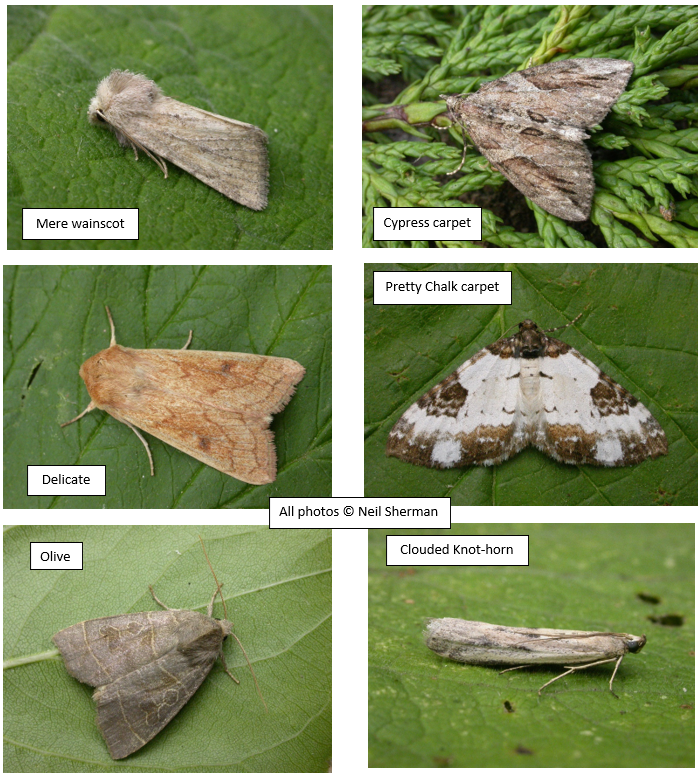
Also noted in the survey were features such as the presence of mature and veteran trees with dead wood, sap runs, loose bark and holes, all so important for bats and invertebrates; and the presence of climbers such as honeysuckle and ivy which are so important for butterflies, moths and other insects.
Sympathetic woodland management work is underway to make woodland rides more sunny and to restore coniferised ancient woodland sites to broadleaved trees which will further improve these lovely woods for ancient woodland flora.