
Rougham Estate’s 37 ancient and very well-connected woodland, grass and arable edge ponds have been regularly surveyed since 2003 to prioritise those for restoration and to guide ongoing conservation management. The 2021 survey demonstrated that the open, sunny and well-vegetated ponds have a very satisfactory combined total of 49+ species of aquatic and emergent native plants. Two ponds contain Endangered Tassel Stonewort Tolypella intricata – found in two of only nine ponds Suffolk. Sampling aquatic invertebrates at the best ponds produced a good total list that included 32 species of water beetle, of which eight are Nationally Notable species and eight are Locally Important. Several ponds support priority Great Crested Newts, despite this being a relatively low pond density area with large areas of lighter soils.
Historically, most of the Estate ponds would have been accessed by livestock or regularly managed to ensure they stayed sunny and predominantly open. The survey demonstrates that the grassland ponds where livestock have access are generally in good condition and support some very rare plant species and a good range of invertebrates. Elsewhere, shaded ponds, full of leaf litter were identified for restoration and in 2021 several ponds were cleaned out, but some will always be difficult to keep open so will remain as hidden historic features in the Rougham ‘pondscape’.
Several ponds can be seen from public and permissive footpaths on Rougham Estate. Some will be rotationally restored or managed as part of Rougham Estate Trust’s ongoing programme to implement management recommendations that protect and enhance the historic, wildlife and landscape value of its ponds.
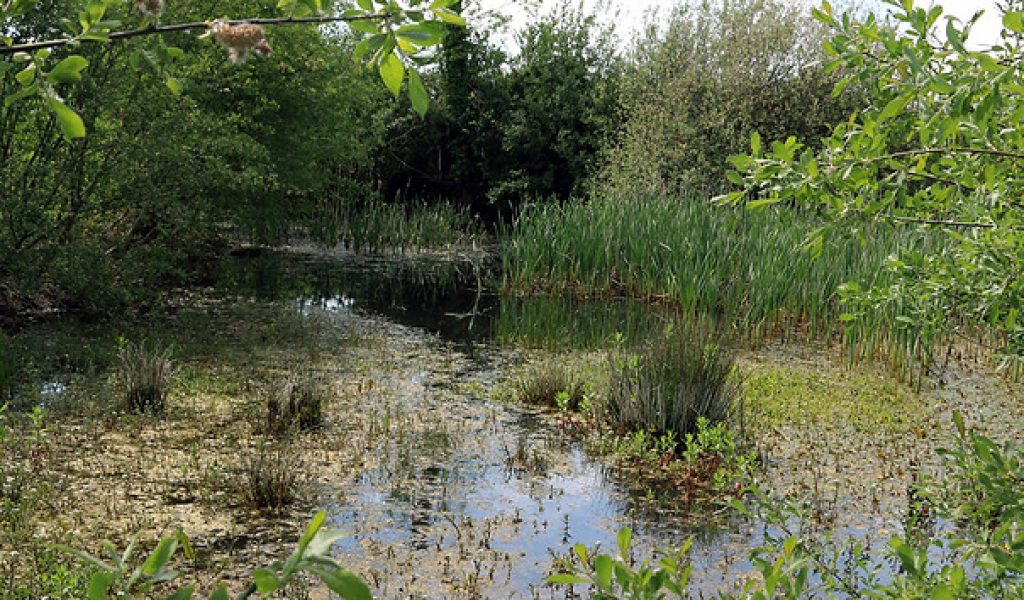
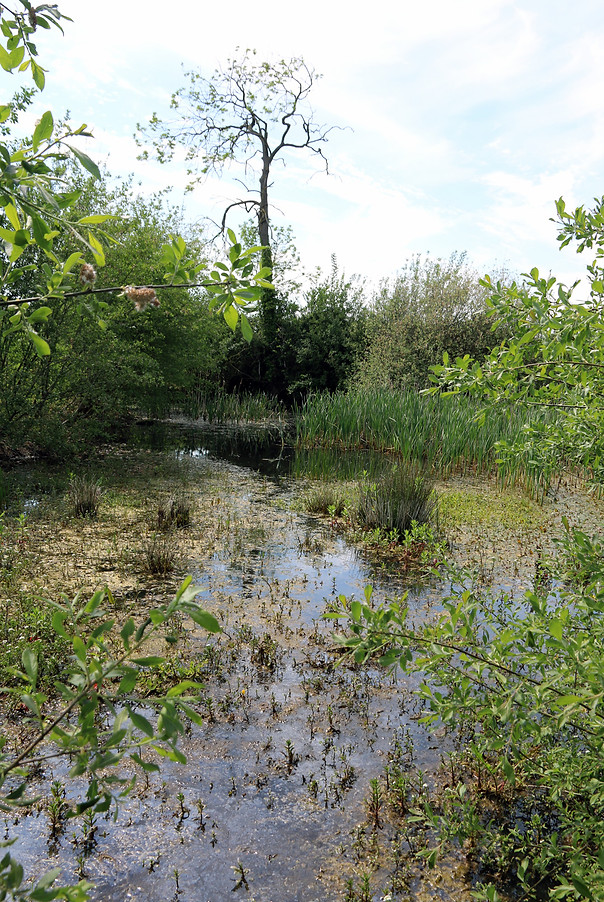
IMAGE: One of 37 ponds surveyed on Rougham Estate – this restored arable field edge pond is the best on the estate for dragonflies and also supports Great Crested Newts and several Red Data Book water beetles. © Juliet Hawkins, Conservation adviser