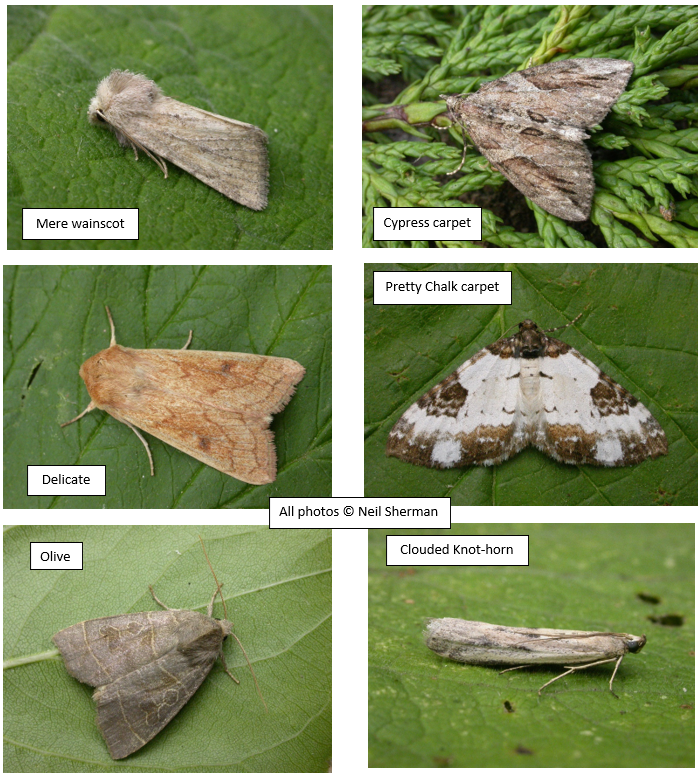
Several rare species were recorded, with two new records for West Suffolk, and the good counts of leaf mining species of moth were a reflection on the diversity of trees and shrubs.

The Suffolk Moth Group volunteers undertook two survey events during 2021 on the Rougham Estate – a September moth trapping survey and an October leaf mining survey. They recorded 116 species in total – and are returning earlier in the year in 2022 to increase the list. Several rare species were recorded, with two new records for West Suffolk, and the good counts of leaf mining species of moth were a reflection on the diversity of trees and shrubs.
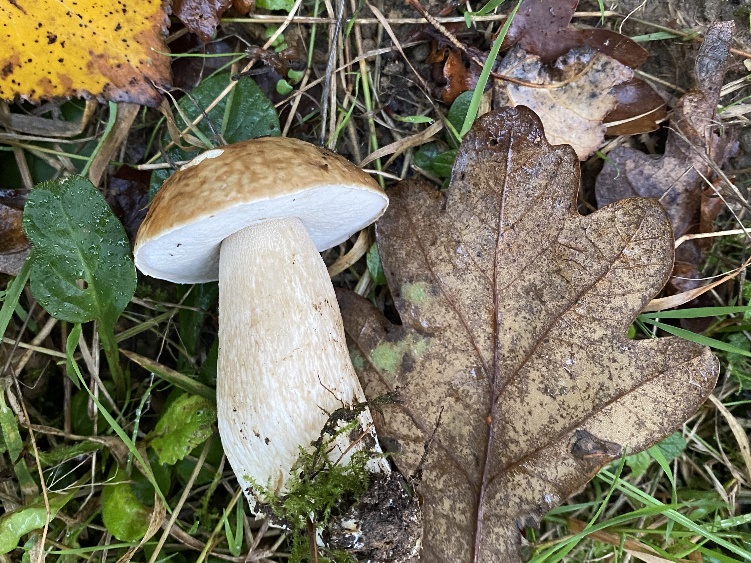
There are several places where you can see fungi growing adjacent to public or permissive footpaths in woodland and grassland. To minimise issues over-picking and picking of rare fungi, dangers of poisoning and conflicts with insects, Rougham Estate Trust discourages picking except for study and encourages walkers to photograph beautiful specimens and leave them for the enjoyment of others.

Rougham Estate Trust is committed to implementing recommendations that will benefit moths in woodland and other habitat management, most of which are similar to those that benefit butterflies, other insects and birds. The moth surveys will flag up priority species for conservation and help guide policy.
Rougham Estate Trust is very grateful to Suffolk Moth Group volunteers who give their time to this project. They will return on Friday 20th May, 2022, national ‘Moth Night’, to run traps again. Further details of this and so much more on Suffolk moth identification on Suffolk Moth Group’s excellent website in due course https://suffolkmoths.co.uk/