
No formal butterfly surveys took place 2019-2021 but casual observations made during other wildlife survey work indicated all but the most elusive treetop butterfly species previously recorded in the 2018 survey were observed on the estate. A total of 26 butterfly species were recorded by two Butterfly Conservation volunteers carrying out transect surveys in woodland to the south of Rougham Estate in 2018. This total of 26 represents 75+% of Suffolk’s 34 butterfly species that have regularly occurred in Suffolk during the last five years ie 2013-2017.
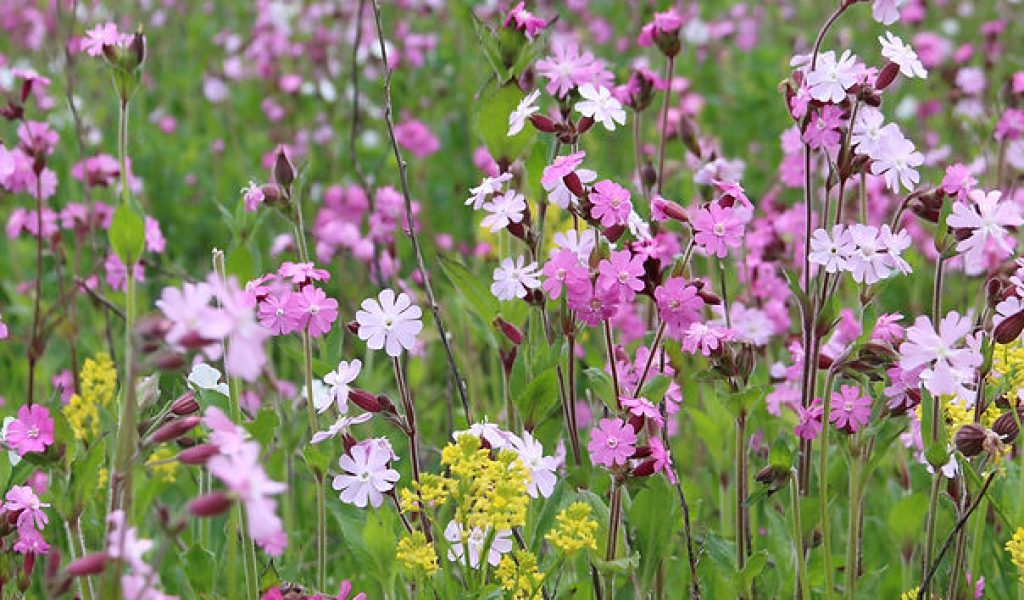
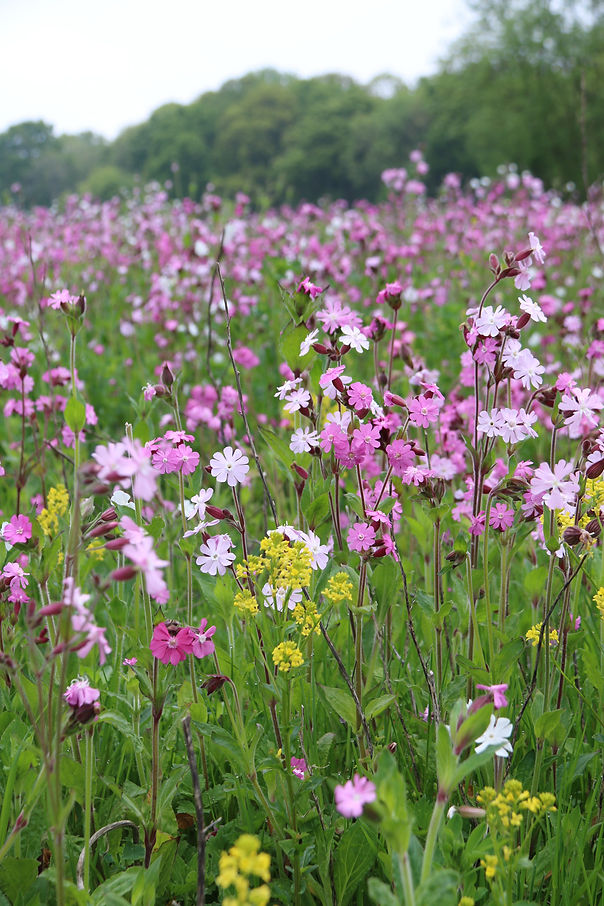
It was good to see the conservation priority species, Silver-washed Fritillary again in Mellfield Wood but, importantly, a new record for it on the edge of Chevins Wood along with six other butterfly species in one site, all jostling for best nectaring position on bramble and thistles and nearby pollen and nectar mix. This area produces an excellent sequence of nectar for butterflies and many other invertebrates with its habitat mosaic of trees and shrubs in the woods and hedges; perennial flowering plants in woodland; flowery grass margins along woodland edge on the west; hedgerow edges next to track and footpath; and pollen and nectar mix (pictured top left).
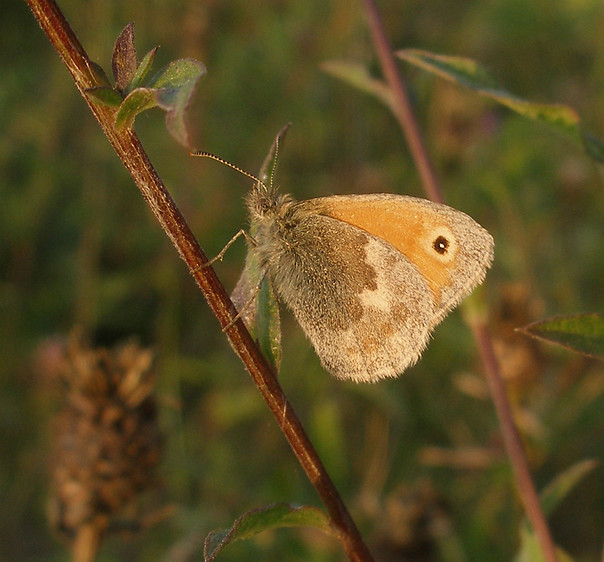
Another conservation priority species, the Small Heath (pictured bottom left) was observed in several locations on Rougham Estate in June 2021. Whilst not considered at risk of extinction, it is close enough that the butterfly is considered Near Threatened nationally. Between 1976-2014 the Small Heath’s national abundance declined by -54% but between 2005-2015 it rallied and increased by 18%. It is described as a declining resident in Suffolk, especially away from the Brecks and the Sandlings and has decreased from a peak of records in 122 tetrads in 2015 to 104 tetrads by 2016 and its population is referred to as weak and vulnerable, and as such requires continued monitoring (White Admiral, vol 69, Suffolk Naturalists Society, Summer 2017 p.15).
Now that Covid restrictions have been lifted, we are hoping that volunteer surveyors will be out and about again. Rougham Estate Trust is especially keen to receive records from public and permissive footpath users of the following species:
- The White Letter Hairstreak depends specifically on their host Elm trees
- The continued presence of Silver-Washed Fritillaries and White Admiral butterflies in Mellfield Woods and Chevins Wood
The simplest way of recording is to download the iRecord Butterfly App onto your mobile phone and simply submit casual records as you see them. There are also really good identification tips on the App that help particularly with the butterflies that can easily be confused with other species – the skippers, the browns and the whites.
IMAGE: © Juliet Hawkins, Conservation adviser