Let’s treasure what we have and inspire the future

Felling of Norway Spruce on Rougham Estate

The Rougham Estate Trust has recently been engaged in felling Norway Spruce trees across its land. This is the result of the arrival of the Spruce Bark Beetle in our woodlands and other woods in East Anglia and South East England. This beetle has arrived in this country from Asia via mainland Europe and threatens Spruce plantations across the country. The Forestry Commission is taking this outbreak very seriously as it threatens their vast plantations in Northern England as well as in Wales and Scotland.
Picture of By Rougham Estate Trust

By Rougham Estate Trust

The Rougham Estate Trust has recently been engaged in felling Norway Spruce trees across its land. This is the result of the arrival of the Spruce Bark Beetle in our woodlands and other woods in East Anglia and South East England. This beetle has arrived in this country from Asia via mainland Europe and threatens Spruce plantations across the country. The Forestry Commission is taking this outbreak very seriously as it threatens their vast plantations in Northern England as well as in Wales and Scotland.

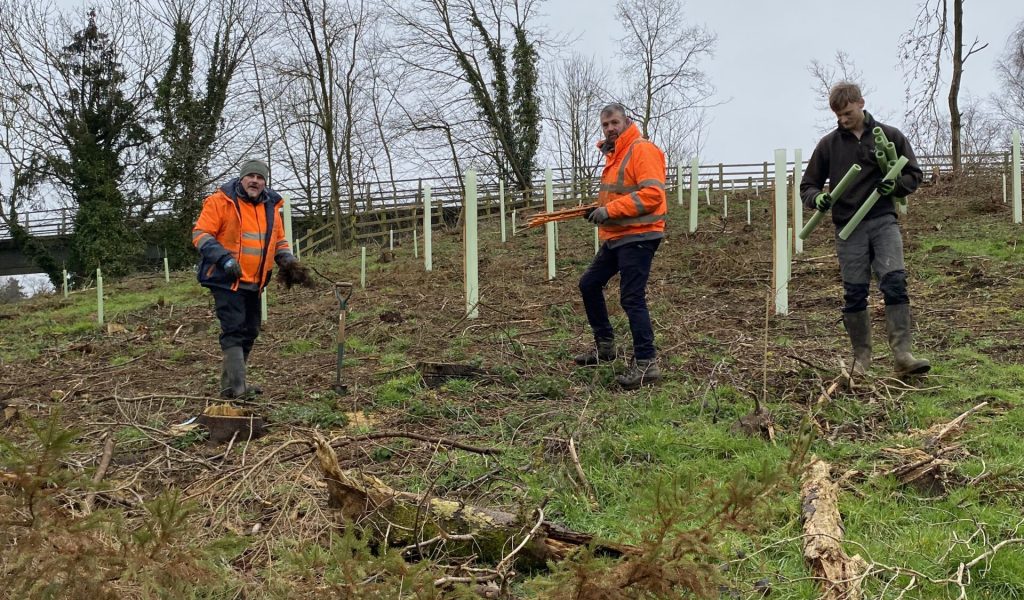
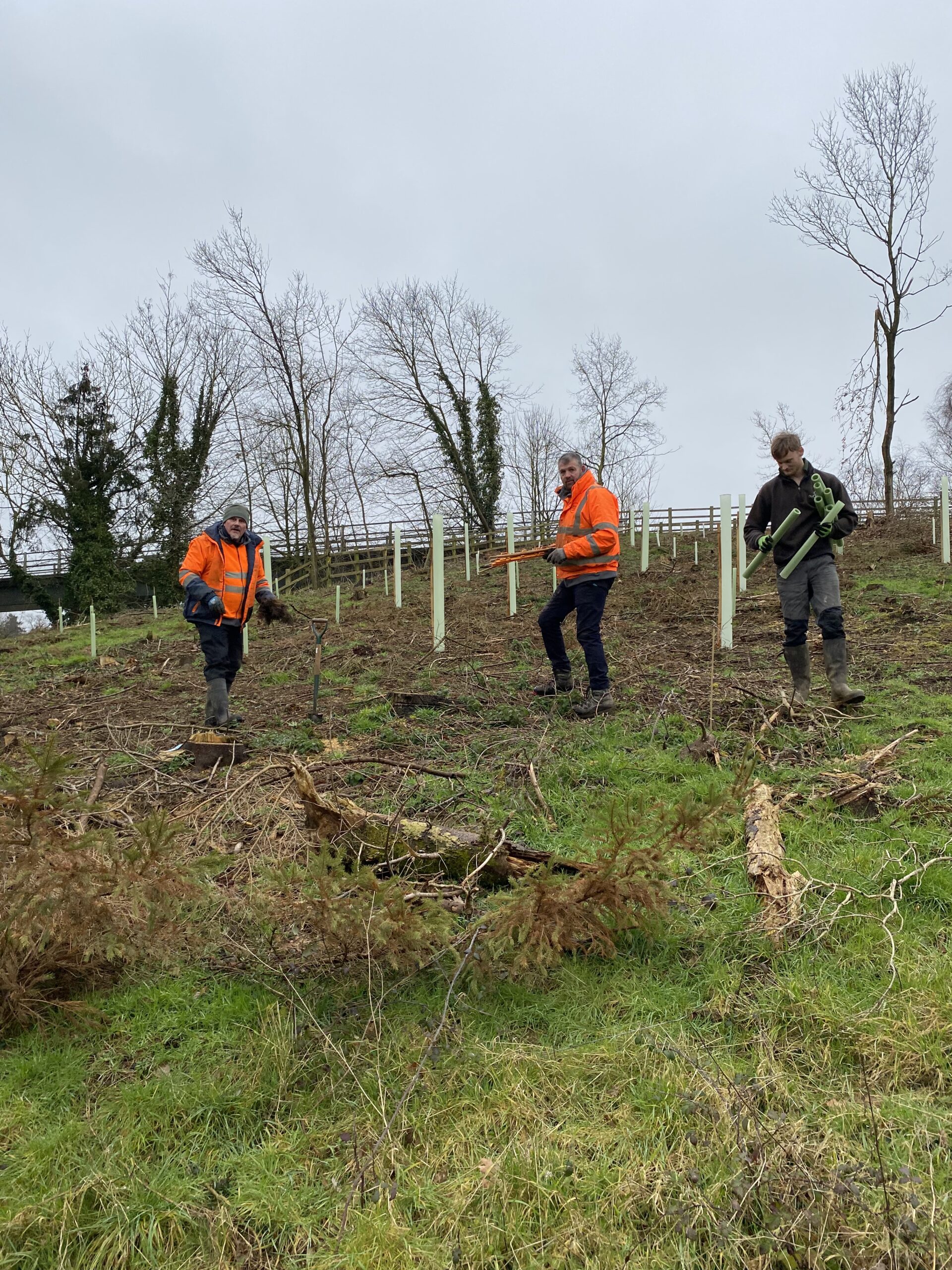
In this specific area of the country where we live, vulnerable spruce trees over 3 metres tall are required to be felled and the timber removed as a precaution. One very noticeable area where this has happened is on the banks of our bridge over the A14 near Blackthorpe Barn. There were many sick spruce trees and some dead trees on the bridge banks. These have all been removed. The good news is that amongst them were a lot of oak, sycamore, birch, beech and yew trees which have all been left. The initial impact of this action is quite dramatic but from experience we have found that the landscape quickly recovers and the newly exposed oak, sycamore, yew, beech and birch trees will grow better as a result of the lack of competition. We have also replanted these areas with additional native broadleaf trees and shrubs.

This is not work that we would have chosen to undertake in this way. We are being driven by the Forestry Commission. On the positive side, in the long run it will improve the landscape, as we are taking out more conifers and replacing them  with native broadleaved species.
© 2025 Rougham Estate Trust.  Registered Charity No: 1155315

Website by Design for Online®